














































Generate your free Human Design chart—personal, relationship, or transit—and start exploring your design with guided insights.
6th Line Profiles: The Three Phase Life Process Explained
Apr 27, 2026

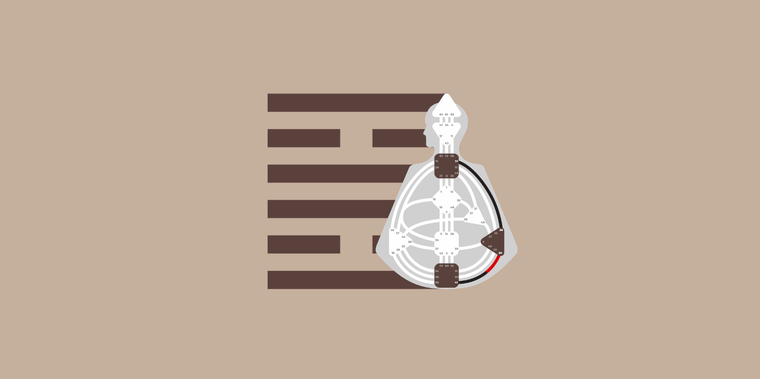
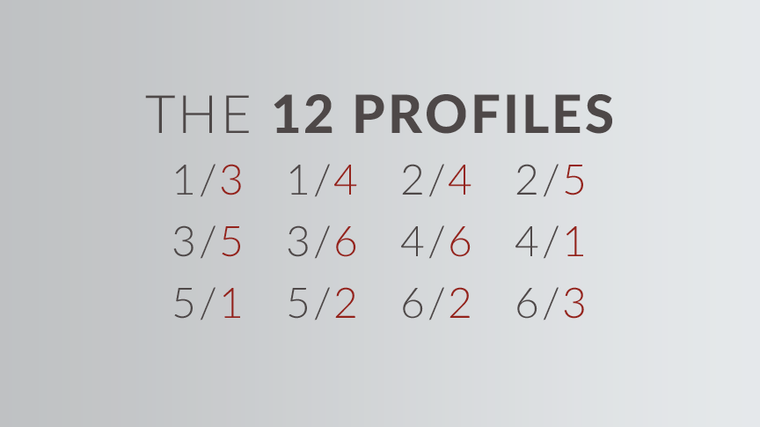
A 6th Line Profile in Human Design is lived through a three phase life process: an early phase of direct experience, a middle phase of retreat and observation, and a later phase of embodied role modeling. Whether you are a 3/6, 4/6, 6/2, or 6/3, the 6th line carries a theme of maturation over time, ultimately pointing toward authenticity, self-trust, and living by your own Strategy and Authority.
What Is a 6th Line Profile?
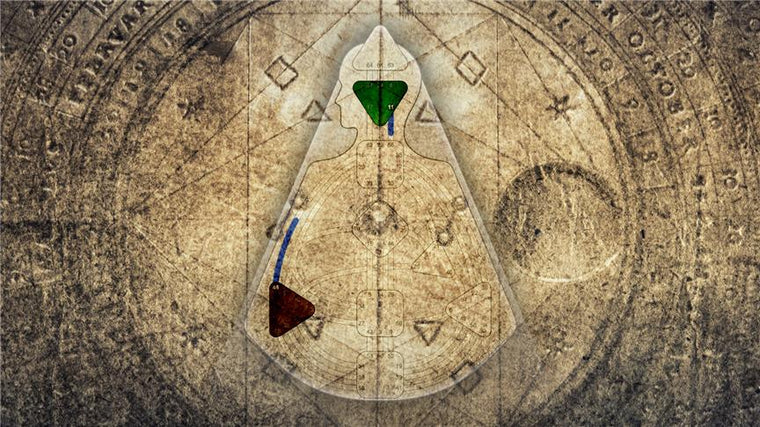
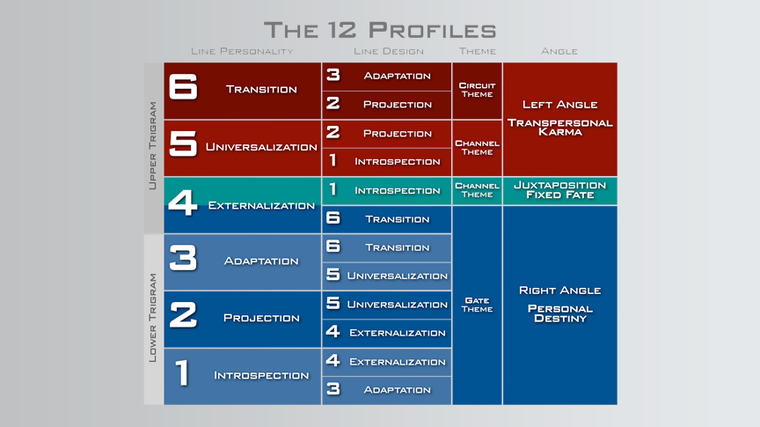
In Human Design, Profile describes the costume of our purpose, the role through which we live out our uniqueness. Each Profile is made from two lines: the conscious Personality Sun / Earth line and the unconscious Design Sun / Earth line. The 6th line is called the Role Model, and it belongs to the upper trigram, bringing a broader, more objective perspective to life.
However, the 6th line does not begin life as a mature role model to whom others look for leadership and inspiration. It develops slowly. Its insight is not theoretical; it is earned through experience, distance, reflection, and eventually, re-engagement with life.
If you have ever felt like you were watching life from a slight remove, or like the role you are "supposed" to play has not quite arrived yet, that is the 6th line texture. It is not a flaw. It is the design.
The Three Phase Life Process
The defining feature of every 6th line is the triphasic maturation process. This process is central to understanding how 6th line beings mature, and why their life can feel like three different lives stitched together.
Phase One: Birth to Around 30 — Trial and Error
During the first phase, the 6th line operates much like a 3rd line. Life is deeply experiential. There can be trial and error, bonds made and broken, jobs taken and quit, cities moved to and away from, and a direct encounter with what works and what does not.
For 6th line beings, the first thirty years are not meant to produce perfection. They are an opportunity for discovery. The difficulty comes when these experiences are judged as mistakes rather than recognized as part of the learning process, no matter how expensive or traumatic. In this phase pessimism is to be expected, yet not as a permanent state.
This is especially important for children and young adults with a 6th line. Positive reinforcement matters. The question from a parent, teacher, or partner is not "Why did you fail?" but "What did you learn?"
Phase Two: Around 30 to 50 — On the Roof
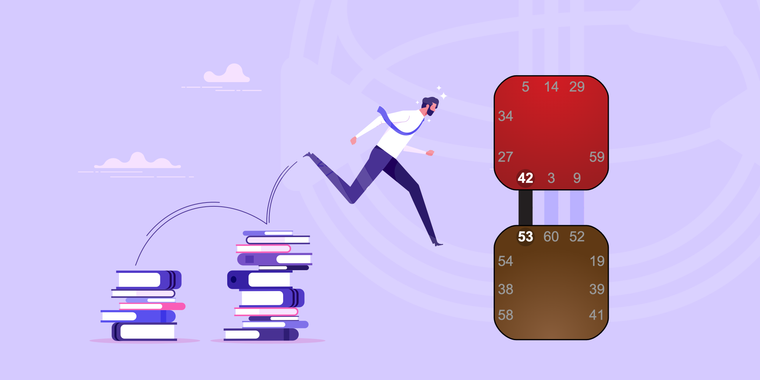
The second phase is often described as going on the roof. After the intensity of the first phase, the 6th line steps back. This is a period of observation, healing, and gaining perspective.
In modern life, this phase often shows up in subtle ways:
- Social life shifts. Big group hangs feel draining; one-on-one conversations or quiet evenings feel right.
- Career feels different. The drive to climb or prove may quiet down, replaced by a focus on craft, autonomy, or meaning.
- Relationships are filtered. The person becomes more selective about who gets close access.
This phase is not withdrawal for its own sake. It is a necessary distance. The 6th line needs time to process what has been lived, to recover from conditioning, and to develop a more objective view of people and the world around them.
Phase Three: Around 50 and Beyond — Coming Off the Roof
The third phase begins around the Kiron Return, approximately age 50. This is when the 6th line is nudged or kicked off the roof and called back into life as an authentic Role Model.
At this stage, the 6th line is ready to live as an example for others. Their leadership potential comes from having survived, observed, and integrated the earlier phases. When aligned with Strategy and Authority, the 6th line can model what it means to live as oneself.
This is the flowering of the 6th line process: not perfection as an ideal, but authenticity as a lived example. Here, Role Models are capable of demonstrating what it truly means to "walk your talk".
The 6th Line and Trust
A major theme for the 6th line is trust. Over time, the 6th line learns what can be trusted, what cannot, and most importantly, how to trust its own Authority.
This is why Strategy and Authority are so essential. Without them, the 6th line may try to make life decisions from disappointment, hope, mental pressure, or the desire to find something perfect. With them, each phase becomes part of a natural maturation.
The Role Model is not here to follow outside authority. It is here to become an example of self-leadership through lived awareness.
How the 6th Line Changes by Profile
Every 6th line shares the triphasic life process, but each Profile expresses it differently.
3/6 Profile: Martyr / Role Model
The 3/6 combines the conscious 3rd line Martyr with the unconscious 6th line Role Model. This creates a life that is strongly shaped by discovery, experimentation, and learning through experience.
In the first phase, the 3/6 can feel like a double 3rd line, deeply immersed in trial and error. In the second phase, the 6th line seeks distance and observation, but the conscious 3rd line may continue pulling the person back into life. Because of this, the 3/6 may not experience the same clean roof phase as some other 6th line profiles. The roof, for a 3/6, often has a ladder leaned against it.
After 50, the 3/6 has the potential to bring mature experiential insight. It can model how trial and error, when lived correctly, becomes a foundation for clarity rather than a source of shame.
4/6 Profile: Opportunist / Role Model
The 4/6 combines the conscious 4th line Opportunist with the unconscious 6th line Role Model. This profile carries a strong social theme through networks, friendship, and influence.
The 4th line builds connections and externalizes through its personal network, while the 6th line needs enough distance to maintain perspective. This can create a life that is both socially connected and quietly aloof. A 4/6 may have a wide circle, group chats, deep friendships, professional contacts, and still need long stretches of solitude that surprise the people around them.
The 4/6 can become an important representative of what it means to live uniquely. Over time, especially after the third phase begins, the 4/6 has the potential to model authenticity within community and relationship.
6/2 Profile: Role Model / Hermit
The 6/2 combines the conscious 6th line Role Model with the unconscious 2nd line Hermit. This is a transpersonal profile, yet it carries a natural need for privacy and being left alone to do its own thing.
The 2nd line brings natural gifts, often visible to others before the person recognizes them. Friends and family may say "you should really do something with that," long before the 6/2 sees it themselves. The 6th line, meanwhile, moves through its three-part maturation. Together, the 6/2 is here to show how to live authentically without dependence on outside authorities.
The 6/2 may need solitude, but it is not disconnected from purpose. Its role modeling comes from living naturally, according to its own talents, and being called out correctly.
6/3 Profile: Role Model / Martyr
The 6/3 combines the conscious 6th line Role Model with the unconscious 3rd line Martyr. This is the final Profile in the sequence of the 12 Profiles and carries a strong theme of transition and change.
Because the 3rd line is unconscious but always active, the 6/3 may be repeatedly pulled into experiences, even during the on the roof years. Relationships end unexpectedly. Plans dissolve. What looked stable suddenly is not. This can make life feel restless, but it is also what gives the 6/3 such deep experiential insight.
Ultimately, the 6/3 discovers that uniqueness itself is perfection. Its role modeling comes from moving through challenging experience and learning what can truly be trusted.
Living Correctly as a 6th Line
The 6th line life cannot be rushed. Its maturation is built into the mechanics of the Profile. Trying to be a role model too early can create pressure, disappointment, or the feeling of having to live up to an image, whether that image is built by family expectations, a curated social media presence, or your own perfectionism.
Here are a few common pitfalls to watch for:
- Performing the role too soon. Trying to look "evolved" in your twenties when the design is asking you to actually live and learn.
- Calling phase one a failure. Reading early breakups, career pivots, or false starts as proof that something is wrong with you.
- Mistaking the roof for depression. Confusing a natural need for distance in your thirties and forties with something being broken.
- Refusing to come down. Staying on the roof past 50 because the world below feels chaotic and messy.
The practical key is simple, but not always easy: live your Type, Strategy, and Authority. Human Design is not about forcing yourself into an ideal version of a Profile. It is an experiment in living as yourself.
For the 6th line, that experiment unfolds over time:
- The first phase gathers experience.
- The second phase creates perspective.
- The third phase brings the possibility of embodied leadership.
Next Step
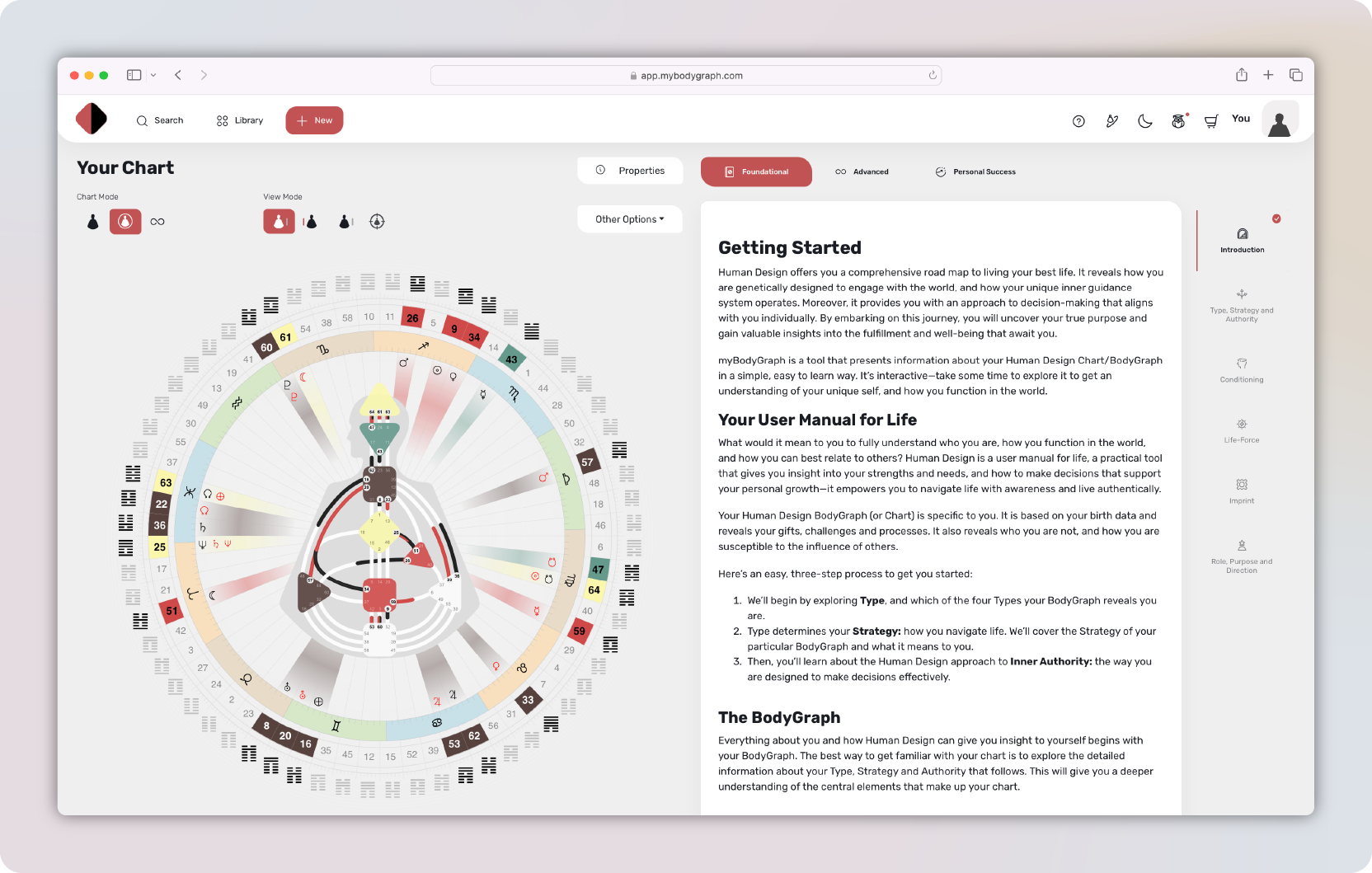
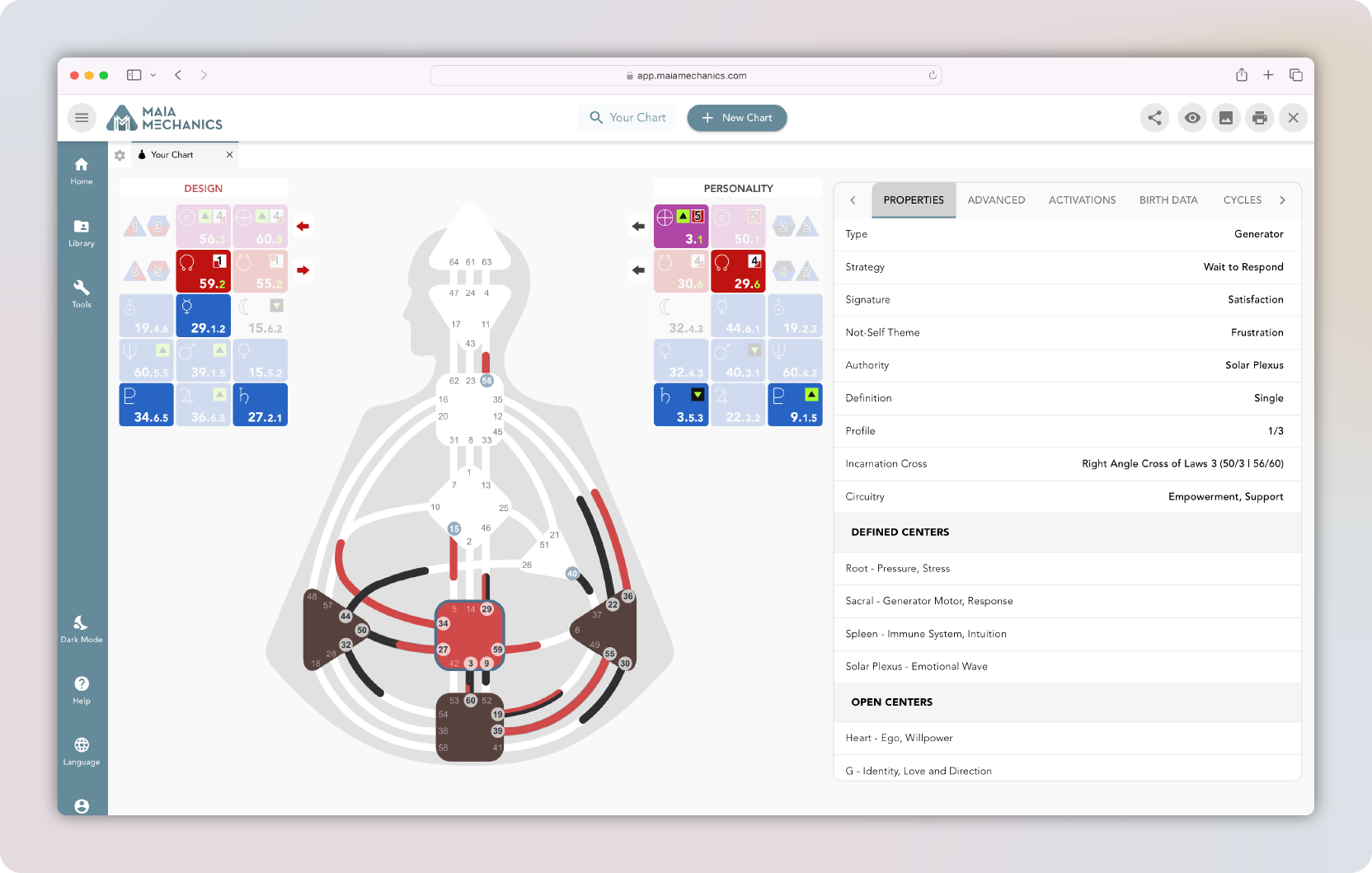
To understand your own 6th line process, start with your free Human Design chart and confirm your Type, Strategy, Authority, and Profile. Then explore how your Profile works together with your Type, whether you are a Generator, Projector, Manifestor, or Reflector.
Frequently Asked Questions
What is the Three Phase Life Process in Human Design? +
The Three Phase Life Process is the developmental path of the 6th line. The first phase, from birth to around 30, is experiential and trial-and-error based. The second phase, from around 30 to 50, is a more removed observational period known as being on the roof. The third phase, beginning around age 50, is when the 6th line comes off the roof and can live as an authentic Role Model.
Do all 6th Line Profiles go through the same phases? +
Yes, all 6th line beings move through the Three Phase Life Process. However, the experience differs depending on the Profile. A 3/6 and 6/3 may be pulled more strongly into ongoing trial and error, while a 4/6 or 6/2 may experience the roof phase with more distance.
What happens to a 6th line after age 50? +
Around age 50, the 6th line enters the third phase of life. This is a time of re-engagement with the world, where the person can embody what was learned through earlier experience and observation. In Human Design, this is the phase where the Role Model quality can truly emerge.
Is a 6th Line Profile supposed to be perfect? +
No. The 6th line may seek perfection or judge life through what is correct or not, but its real gift is not idealized perfection. Its gift is authenticity, self-trust, and the leadership that comes from living through all three phases correctly.
What is the difference between a 3/6 and a 6/3? +
The 3/6 has a conscious 3rd line and unconscious 6th line, so trial and error is a more conscious part of identity. This is a self-absorbed Profile being Right Angle. The 6/3 has a conscious 6th line and unconscious 3rd line, so it may identify more with the Role Model perspective while still being repeatedly drawn into experiential discovery. As a Left Angle Profile, they are here to be more other oriented, not so self-absorbed.
How should a 6th line make decisions? +
A 6th line should be mindful of decisions made from mental pressure, disappointment, or the desire to find perfection. In Human Design, the reliable foundation is always Strategy, and Authority. These guide the person through each phase of life in a way that is correct for their unique design.

Ryan Hanna
















Teachings by Topic
Type & Strategy
Explore Ra Uru Hu's lectures by Human Design topic.
Basics for Beginners
Sale price$10.00
Are you new to Human Design, or looking for a solid understanding of the BodyGraph, its mechanics, and an overview of the Types and major Inner Authorities? This 1-hour introduction to the basics of Human De...
Generator and Manifesting Generator
Sale price$9.00
The type that is essential to the well-being of our species as a whole is the Generator, who represent around 70% of the human population (Half of which are pure Generators, the other half are Manifesting Ge...
The Way of the Generator
Sale price$57.00
Living our Design involves setting the mind and its Not-Self urgings aside, and relying instead on Strategy and Authority. It’s a process of learning to “surrender to the experiment”, as Ra puts it. That sur...
Fallen Angels
Sale price$9.00
The way of the Generator is everybody's way in the homogenized world while the planet is run by and dominated by the frustrated, enslaved spirit of Generators.
In order for Generators to be able to live acco...
Frustration or Satisfaction | RC8.10
Sale price$19.00
Generators represent almost 70% of the world’s population. As a vital source of productive energy, they generally have a great impact on everyone around them, making their awareness and well-being important ...
The Art of Reading Generators
Sale price$57.00
If you are interested in understanding Generators, either because you are one yourself or you want to learn about the dominant Type on this planet, this package is an excellent learning opportunity. The Art ...
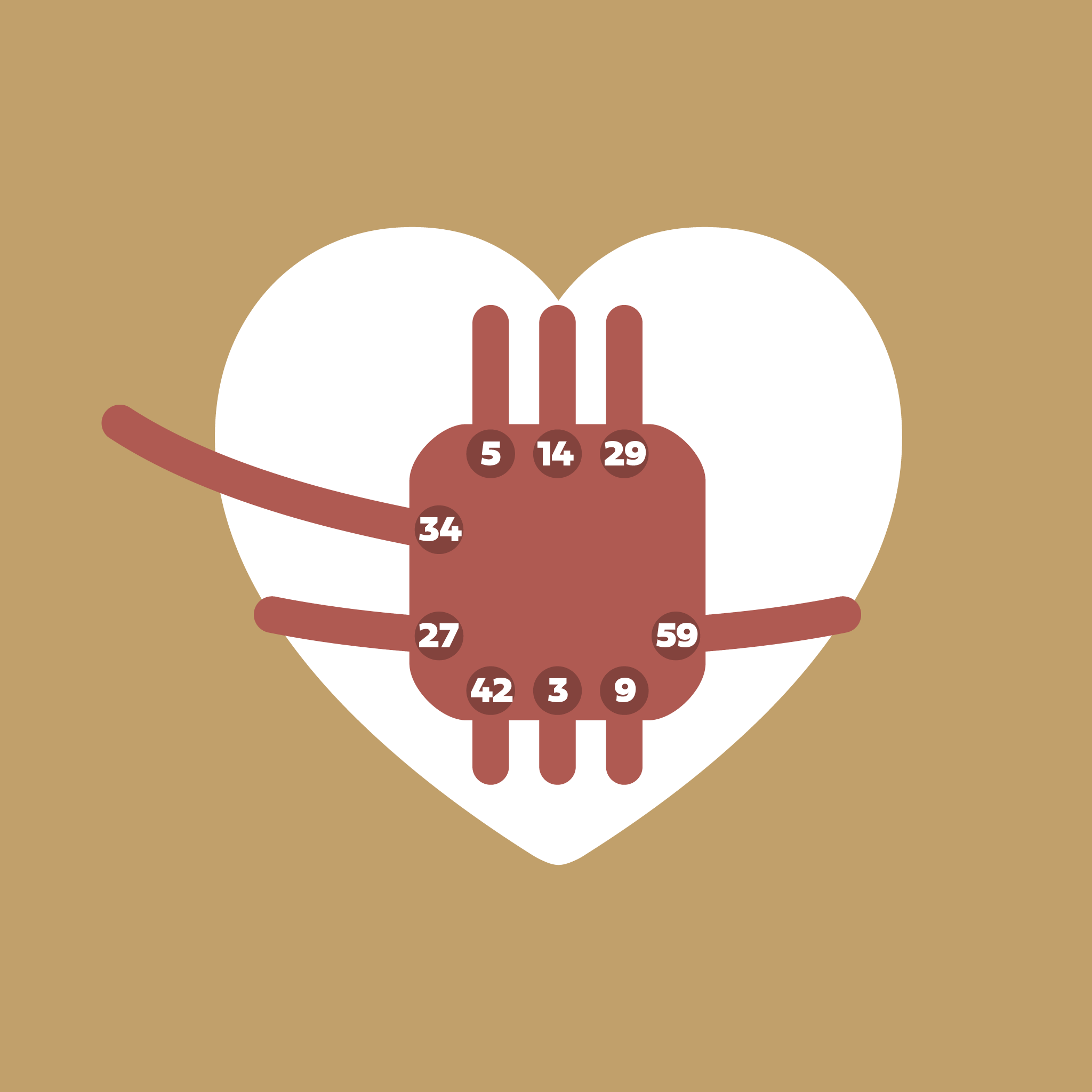
Sex and the Generator
Sale price$19.00
The nature of sexuality varies greatly among the different Types. And the primary difference stems from the Sacral Center itself, which is the core and essence of what a Generator is.
Through response, the n...
Generator Transformation - The Color of Envelopment
Sale price$19.00
A detailed guide to the Generator aura and its unique relationship to each Type, this lecture explores the theme of conditioning through Color Transference and how varied this phenomenon is for Generators—of...
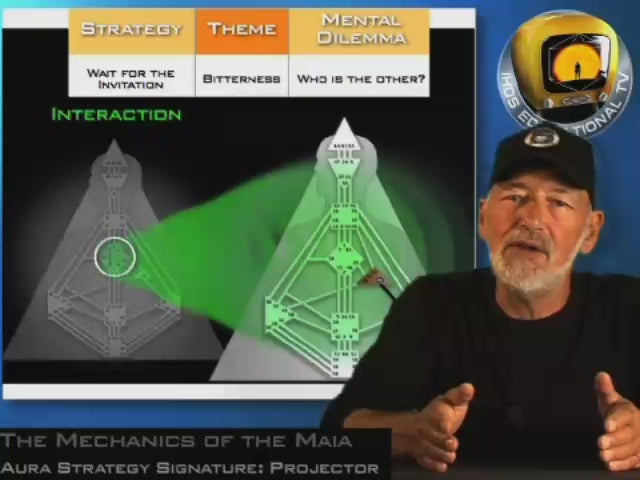
Projector
Sale price$9.00
Projectors are a non-energy Type and represent just over 20% of the population. As a relatively new form, they are only now beginning to come into their natural power and position. Join Ra as he discusses ho...
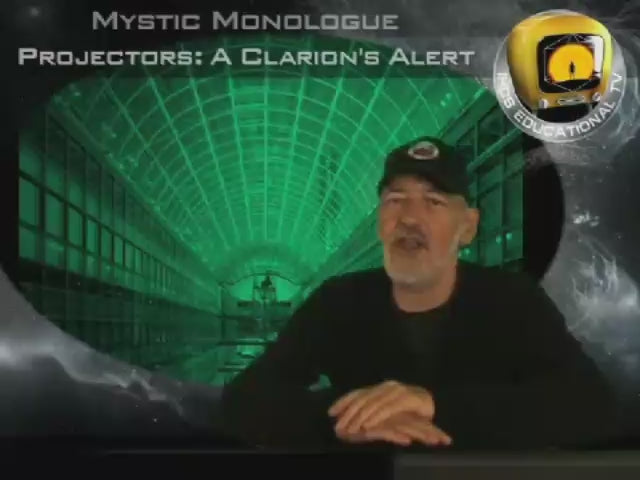
Projectors - A Clarion's Alert
Sale price$9.00
Projectors, your focused and penetrating aura is needed through invitation to take in knowledge bases and master the systems that organize and hold humanity together. You are needed as an enormous resource f...
The Art of Reading Projectors
Sale price$57.00
The Art of Reading Projectors is an invaluable audio experience for anyone wanting deeper insight into the Projector Aura Type. Ra takes us through six overviews of unique Projectors, each approximately 30 m...
Projector Empowerment 1 | Lectures
Sale price$47.00
Projectors have the potential to make tremendous contributions to those in their lives. By Design, Projectors are about the other. The insight and guidance they bring to others when they are in alignment wit...
Projector Empowerment 2 | Analysis
Sale price$67.00
Acknowledging how each Projector offers their unique guidance to the world can help empower their signature of success.
Projector Empowerment | Part II: Analysis focuses on Ra’s examination of individual Pro...
Projector Transformation - Color Transference Recognition
Sale price$19.00
This lecture dives into substructure, offering the practical value of understanding Personality Motivation and Perspective to Projector success. As the youngest Type historically, Projectors are on the rise,...
Manifestor
Sale price$9.00
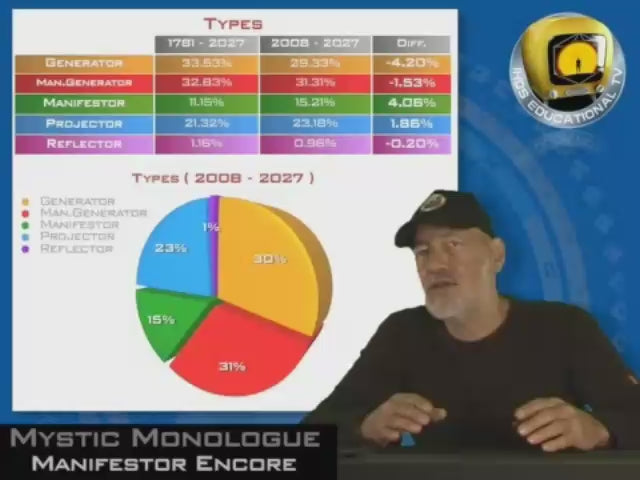
Only about 9% of the population are Manifestors. As we move towards 2027, statistically there will be a real burst in the number of their births. This theme of the Manifestor and particularly how to raise Ma...
Manifestor Manifesto
Sale price$67.00
Do you remember the song, “It’s Not Easy Being Green”? The same could be said of the challenges of being a Manifestor. Manifestors currently account for 9% of the population — a small percentage, but with qu...
Manifestor Manifesto (eBook)
Sale price$49.00
This guide for Manifestors came out of a five-week program in which Ra informed Manifestors how to transform their lives and fully embrace their manifesting potential and gifts. Although this material was ex...
Manifestor Encore
Sale price$9.00
We are living in a time of transition, a time of change, a time of deep mutation. Everything about the nature of the world we live in, in a sense, can be understood from the current background frequency.
The...
Manifestor Transformation - Motivation and Impact
Sale price$19.00
This is a deeper exploration of the Manifestor process through aura and Color, and a guide to correctness for Manifestors and those who are impacted by them.
Historically, Manifestors were the alphas of huma...
Reflector
Sale price$9.00
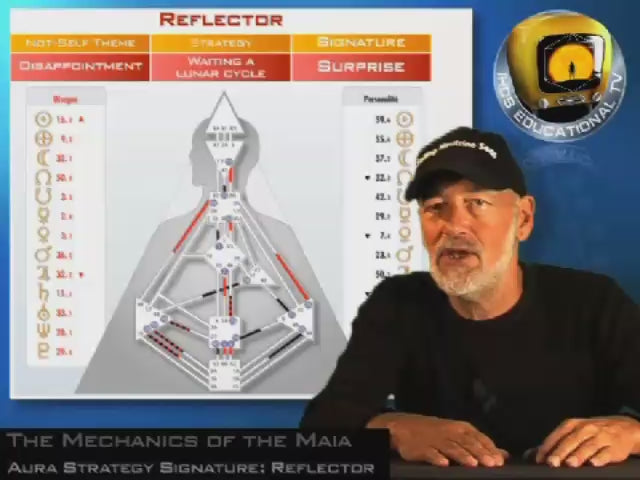
Reflectors represent around 1.3 or 1.4% of the human population, and as such are very different from the other Types.
A Reflector’s design is unique in that there is no definition in the Bodygraph, and there...
Reflector Reflections
Sale price$19.00
This is a practical guide to understanding the Reflector process and purpose along with new tools for aiding them in their experiment.
Reflectors are the rarest Type on the planet. WIthout any definition in ...
The Signature Question
Sale price$9.00
Signposts are something that allow you to have a way for your mind to measure. Signature is the positive side of the not-self theme of any Type. In The Signature Question, Ra explains the signposts for each ...
The Type Series: Strategy, Signature and Aura
Sale price$22.00
Regular price$36.00
Everyone has the potential for differentiation in this life.
What is actualized through Type—Generator (and Manifesting Generator), Manifestor, Projector, Reflector—is an extraordinary potential inherent in ...
Type Sexual Signatures
Sale price$19.00
We all have the potential for sexual fulfillment. However, most human beings don't enter into bonds correctly. With most of the population being made up of Generators, this leaves much of the world giving of...

You and the Other
Sale price$19.00
Type is one of the most influential aspects of the connection between two people. The inherent aura mechanics of each person in a partnership determine how each can relate to the other — or how the relations...

A Human Design Guide to Parenting
Sale price$19.00
Raising children can be challenging in many ways. Knowing what to do and how to approach them based on their uniqueness takes awareness of specific techniques that parents are often not equipped with.
Human ...

Raising Children According to Their Design
Sale price$17.00
For many of us, learning to live according to our Design is eye-opening. So many things change and make sense when our approaches and choices are informed by our unique Design. As we recognize more and more ...
Nurturing a Unique Being
Sale price$29.00
There are many perspectives on how children should be raised. How do we know which ones are best?
Everything from what to eat, how to create bedtime habits, and the best methods to educate are often taught i...
Design Concepts
Sale price$97.00
The Maia? The Monopole? And what is the G Center?
If you’re looking for an in-depth introductory teaching to Human Design, the 10-lesson Design Concepts course is a valuable guide to the foundational element...
Design Concepts (eBook)
Sale price$49.00
If you’re new to Human Design, this ebook will greatly expand your understanding of Human Design fundamentals. Taught by Ra Uru Hu, Design Concepts is an ideal opportunity for Human Design students and newco...

The Four Views
Sale price$99.00
Do you want to learn more about Human Design but don’t know where to begin? Knowing how to look at the BodyGraph is key to understanding foundational concepts to start your own experiment.
After years of tea...

The Four Views (eBook)
Sale price$49.00
Do you want to learn more about Human Design but don’t know where to begin? Knowing how to look at the BodyGraph is key to understanding foundational concepts to start your own experiment.
After years of tea...
Keynoting
Sale price$29.00
Looking at a Human Design chart can be overwhelming. There is simply so much information available. Some people see the Gates first, others the Channels, and some the Centers. But, what is the "correct" meth...
The History of the Types - An Evolutionary View | RA 2.10
Sale price$19.00
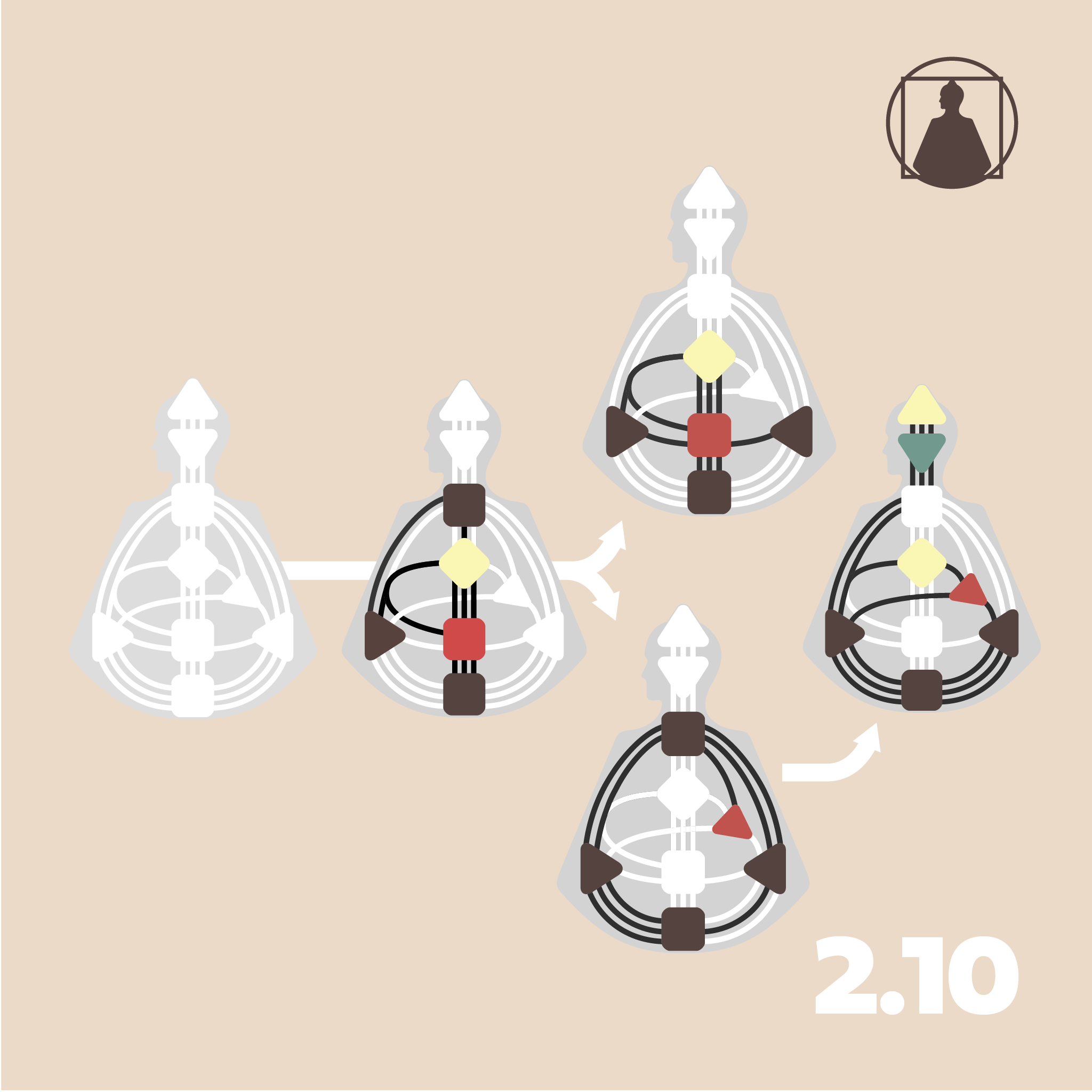
In 1994, Ra Uru Hu published a collection of graphics and keynotes he called “Rave Anatomy: Mapping the Mechanics of the Maia.” In 2007, he updated those graphics and recorded Rave Anatomy 1. The following y...

Beginner 1: Fundamentals of the Human Design System
Sale price$249.00
Regular price$411.00
Beginner 1 is your gateway into the original teachings of Ra Uru Hu. This immersive course delivers a carefully curated learning experience designed to ground you in the essential mechanics, language, and co...

Beginner 2: Type, Strategy, and Inner Authority
Sale price$249.00
Regular price$426.00
This course offers a clear and practical introduction to the four Human Design Types and the vital role of Strategy and Inner Authority. Through a curated series of Ra Uru Hu’s most accessible teachings, you...
Your Own Authority - A Beginner's Guide to Human Design
Sale price$22.00
Your Own Authority – A Beginner’s Guide to Human Design by Dharmen and Leela Swann Herbert - e-Book with full-color illustrations, 138 pages.
This beginner’s guide is a general introduction to the Human Desi...

Intermediate 3: Relationships, Sex, and Family
Sale price$349.00
Regular price$589.00
Relationships are one of the most powerful mirrors for awakening—and one of the most complex arenas of conditioning. In this course, Ra Uru Hu explores how Human Design reveals the true mechanics of how we b...
Ra's Guide to the Rave Chart
Sale price$29.00
Human Design BodyGraphs display an intricate synthesis of 26 activations across 9 Centers and 64 Gates. Is there a simple way to extract and benefit from the information being displayed without needing to kn...

Ra's Guide to the Movie
Sale price$39.00
Behind its practical aspects, Human Design has roots in deeply mystical concepts. When one is beginning to investigate those deeper aspects of the knowledge, one needs to study the foundational concepts to s...

The Ra Uru Hu Lectures | Ibiza 2009
Sale price$57.00
Regular price$76.00
This 4-part video collection explores how we navigate the changing mechanics of life and consciousness—uncovering the impact of shifting financial structures, the role of the Moon in shaping our experiences,...

The Just About You Series
Sale price$117.00
Regular price$172.00
The Just About You series brings together six essential lectures that explore the many ways Human Design shapes our lives and relationships. From uncovering the wisdom hidden in our shadows and understanding...
The Mystic Monologues Series
Sale price$77.00
Regular price$108.00
The Mystic Monologues invites you into the extraordinary journey of Ra Uru Hu, a skeptic turned mystic, whose life was transformed by a profound encounter with “The Voice” on January 3, 1987. This series of ...
Teachings by Theme
Decision-Making
Explore Ra Uru Hu's lectures categorized into life themes and goals.
Basics for Beginners
Sale price$10.00
Are you new to Human Design, or looking for a solid understanding of the BodyGraph, its mechanics, and an overview of the Types and major Inner Authorities? This 1-hour introduction to the basics of Human De...
Your Own Authority - A Beginner's Guide to Human Design
Sale price$22.00
Your Own Authority – A Beginner’s Guide to Human Design by Dharmen and Leela Swann Herbert - e-Book with full-color illustrations, 138 pages.
This beginner’s guide is a general introduction to the Human Desi...
Generator and Manifesting Generator
Sale price$9.00
The type that is essential to the well-being of our species as a whole is the Generator, who represent around 70% of the human population (Half of which are pure Generators, the other half are Manifesting Ge...
The Way of the Generator
Sale price$57.00
Living our Design involves setting the mind and its Not-Self urgings aside, and relying instead on Strategy and Authority. It’s a process of learning to “surrender to the experiment”, as Ra puts it. That sur...
Fallen Angels
Sale price$9.00
The way of the Generator is everybody's way in the homogenized world while the planet is run by and dominated by the frustrated, enslaved spirit of Generators.
In order for Generators to be able to live acco...
Frustration or Satisfaction | RC8.10
Sale price$19.00
Generators represent almost 70% of the world’s population. As a vital source of productive energy, they generally have a great impact on everyone around them, making their awareness and well-being important ...
Generator Transformation - The Color of Envelopment
Sale price$19.00
A detailed guide to the Generator aura and its unique relationship to each Type, this lecture explores the theme of conditioning through Color Transference and how varied this phenomenon is for Generators—of...
Projector
Sale price$9.00
Projectors are a non-energy Type and represent just over 20% of the population. As a relatively new form, they are only now beginning to come into their natural power and position. Join Ra as he discusses ho...
Projectors - A Clarion's Alert
Sale price$9.00
Projectors, your focused and penetrating aura is needed through invitation to take in knowledge bases and master the systems that organize and hold humanity together. You are needed as an enormous resource f...
Projector Transformation - Color Transference Recognition
Sale price$19.00
This lecture dives into substructure, offering the practical value of understanding Personality Motivation and Perspective to Projector success. As the youngest Type historically, Projectors are on the rise,...
Manifestor
Sale price$9.00
Only about 9% of the population are Manifestors. As we move towards 2027, statistically there will be a real burst in the number of their births. This theme of the Manifestor and particularly how to raise Ma...
Manifestor Manifesto
Sale price$67.00
Do you remember the song, “It’s Not Easy Being Green”? The same could be said of the challenges of being a Manifestor. Manifestors currently account for 9% of the population — a small percentage, but with qu...
Manifestor Manifesto (eBook)
Sale price$49.00
This guide for Manifestors came out of a five-week program in which Ra informed Manifestors how to transform their lives and fully embrace their manifesting potential and gifts. Although this material was ex...
Manifestor Encore
Sale price$9.00
We are living in a time of transition, a time of change, a time of deep mutation. Everything about the nature of the world we live in, in a sense, can be understood from the current background frequency.
The...
Manifestor Transformation - Motivation and Impact
Sale price$19.00
This is a deeper exploration of the Manifestor process through aura and Color, and a guide to correctness for Manifestors and those who are impacted by them.
Historically, Manifestors were the alphas of huma...
Reflector
Sale price$9.00
Reflectors represent around 1.3 or 1.4% of the human population, and as such are very different from the other Types.
A Reflector’s design is unique in that there is no definition in the Bodygraph, and there...
Reflector Reflections
Sale price$19.00
This is a practical guide to understanding the Reflector process and purpose along with new tools for aiding them in their experiment.
Reflectors are the rarest Type on the planet. WIthout any definition in ...
The Signature Question
Sale price$9.00
Signposts are something that allow you to have a way for your mind to measure. Signature is the positive side of the not-self theme of any Type. In The Signature Question, Ra explains the signposts for each ...
The Type Series: Strategy, Signature and Aura
Sale price$22.00
Regular price$36.00
Everyone has the potential for differentiation in this life.
What is actualized through Type—Generator (and Manifesting Generator), Manifestor, Projector, Reflector—is an extraordinary potential inherent in ...
Projector Empowerment 1 | Lectures
Sale price$47.00
Projectors have the potential to make tremendous contributions to those in their lives. By Design, Projectors are about the other. The insight and guidance they bring to others when they are in alignment wit...
Projector Empowerment 2 | Analysis
Sale price$67.00
Acknowledging how each Projector offers their unique guidance to the world can help empower their signature of success.
Projector Empowerment | Part II: Analysis focuses on Ra’s examination of individual Pro...
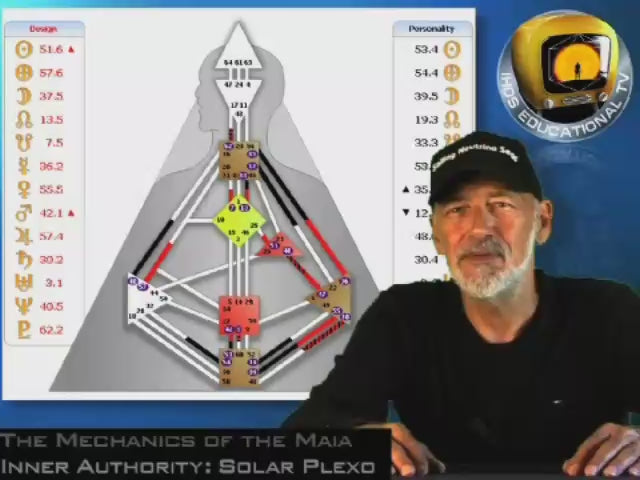
Solar Plexus Inner Authority
Sale price$9.00
If you have a defined Solar Plexus Center, this is automatically your decision making authority. It is the most common of all inner authorities, belonging to about 51% of humanity.
The Solar Plexus center op...
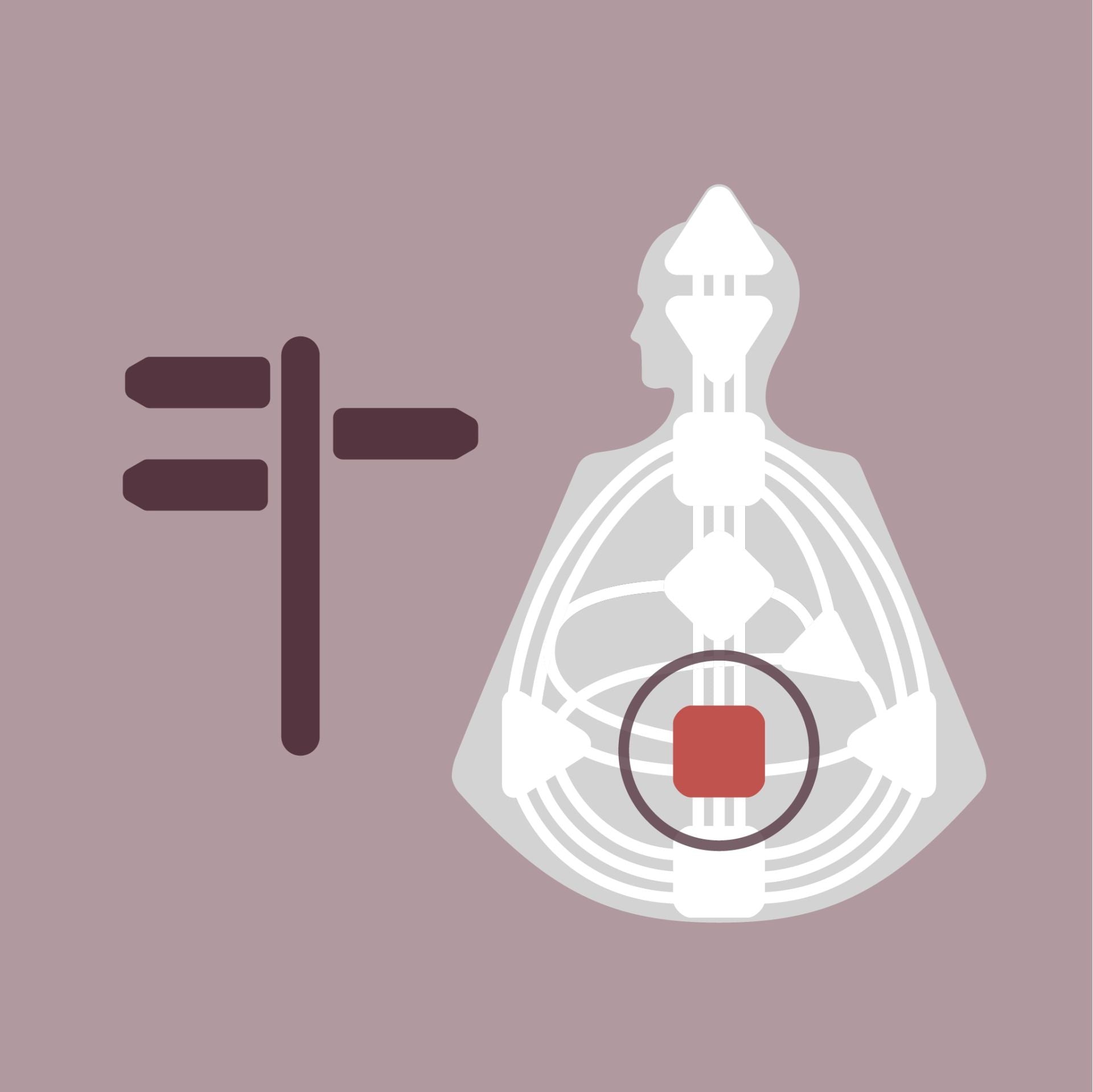
Sacral Inner Authority
Sale price$9.00
Sacral Authority belongs to non-emotional Generators, including Manifesting Generators, who have an undefined Solar Plexus Center. Correct Sacral Authority responds existentially, in each moment, to what li...
Splenic Inner Authority
Sale price$9.00
In order to have Splenic authority, you cannot have a defined Solar Plexus or Sacral Center but must have a defined Splenic Center.
Splenic authority operates only in the Now. It is not a motor and can be d...
Minor Authorities
Sale price$9.00
Ra looks at a group of rare authorities that represent about 4% of people. They can be quickly recognized as designs with at least one defined channel and an open Solar Plexus Center, an open Sacral Center a...
No Direct Inner Authority
Sale price$9.00
Definition is what leads us to see both Type and where the decision making Authority lies. In this lecture, Ra takes us through the two very different variations of those who have no direct inner authority: ...

The Inner Authority Series
Sale price$27.00
Regular price$45.00
Inner Authority is a transformative series where Ra Uru Hu guides you through the core mechanics of decision-making within the Human Design System. This series provides a comprehensive understanding of Inner...
Outer Authority - The Truth About Mind
Sale price$19.00
How much do you trust your mind when making decisions? Human Design states that giving the Mind this authority frequently leads to resistance and getting stuck in the themes of our open centers.
When using S...
The Just About You Series
Sale price$117.00
Regular price$172.00
The Just About You series brings together six essential lectures that explore the many ways Human Design shapes our lives and relationships. From uncovering the wisdom hidden in our shadows and understanding...
Design Concepts
Sale price$97.00
The Maia? The Monopole? And what is the G Center?
If you’re looking for an in-depth introductory teaching to Human Design, the 10-lesson Design Concepts course is a valuable guide to the foundational element...
Design Concepts (eBook)
Sale price$49.00
If you’re new to Human Design, this ebook will greatly expand your understanding of Human Design fundamentals. Taught by Ra Uru Hu, Design Concepts is an ideal opportunity for Human Design students and newco...
The Four Views
Sale price$99.00
Do you want to learn more about Human Design but don’t know where to begin? Knowing how to look at the BodyGraph is key to understanding foundational concepts to start your own experiment.
After years of tea...
The Four Views (eBook)
Sale price$49.00
Do you want to learn more about Human Design but don’t know where to begin? Knowing how to look at the BodyGraph is key to understanding foundational concepts to start your own experiment.
After years of tea...

The Human Design System: A Complete Guide Series
Sale price$197.00
Regular price$285.00
In this multi-lesson video series Ra Uru Hu offers a profound and comprehensive journey through the full architecture of Human Design. Spanning topics from the origin of consciousness and the mechanics of th...
Beginner 1: Fundamentals of the Human Design System
Sale price$249.00
Regular price$411.00
Beginner 1 is your gateway into the original teachings of Ra Uru Hu. This immersive course delivers a carefully curated learning experience designed to ground you in the essential mechanics, language, and co...
Beginner 2: Type, Strategy, and Inner Authority
Sale price$249.00
Regular price$426.00
This course offers a clear and practical introduction to the four Human Design Types and the vital role of Strategy and Inner Authority. Through a curated series of Ra Uru Hu’s most accessible teachings, you...

Beginner 3: The Not-Self and Conditioned Mind
Sale price$199.00
Regular price$307.00
Beginner 3 offers an essential introduction to one of the most transformative teachings in Human Design: the Not-Self. Through Ra Uru Hu’s foundational lectures and in-depth analysis, you’ll explore how ment...
The Mystic Monologues Series
Sale price$77.00
Regular price$108.00
The Mystic Monologues invites you into the extraordinary journey of Ra Uru Hu, a skeptic turned mystic, whose life was transformed by a profound encounter with “The Voice” on January 3, 1987. This series of ...